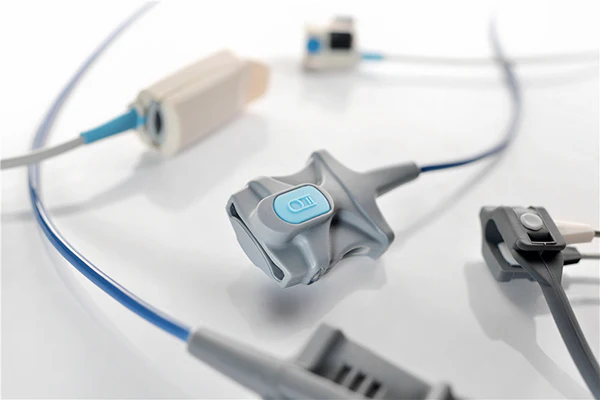
Fetal monitoring relies on capturing extremely subtle physiological signals, making signal stability a top priority in clinical environments. For hospitals and device manufacturers, working with a reliable medical cable manufacturer like Unimed helps ensure that fetal monitoring probes maintain accuracy even in complex settings such as labor and delivery rooms.
Understanding Signal Interference in Fetal Monitoring
Fetal monitoring systems detect small electrical and ultrasound signals, which are highly sensitive to external disturbances. Electromagnetic interference from nearby equipment, including imaging devices and wireless systems, can disrupt signal clarity. These monitoring systems use high-gain amplifiers, making them particularly vulnerable to noise and distortion.
Without proper protection, interference may lead to unstable readings or inaccurate fetal heart rate data. This is why high-quality probe cables and assemblies are essential in ensuring consistent monitoring performance.
How Medical Cable Assembly Manufacturing Reduces Interference
Advanced medical cable assembly manufacturing focuses on minimizing interference through specialized design and materials. Shielded cable structures play a key role by blocking external electromagnetic signals and reducing signal loss. Fully shielded cables and lead wires are widely used in patient monitoring to maintain signal integrity and reduce electrical noise.
In addition, premium cable assemblies incorporate features such as ferrite components and multi-layer insulation to further suppress interference. These design elements help ensure that fetal monitoring probes deliver stable and accurate readings, even in environments with multiple electronic devices.
Why Choosing the Right Medical Cable Manufacturer Matters
A dependable medical cable manufacturer like Unimed focuses on both performance and durability. High-quality materials such as medical-grade silicone and TPU improve flexibility and longevity, while precision overmolding enhances connector stability. These factors are essential for maintaining consistent signal transmission during continuous monitoring.
Custom solutions also play a role. By tailoring cable assemblies to specific fetal monitoring systems, manufacturers can optimize shielding, connector compatibility, and overall performance for clinical use.
Conclusion
Avoiding signal interference in fetal monitoring starts with well-designed probe cables and assemblies. Through advanced medical cable assembly manufacturing, Unimed provides reliable solutions that support accurate data transmission. For healthcare providers, investing in high-quality cable systems helps ensure dependable fetal monitoring and supports better clinical decision-making.
