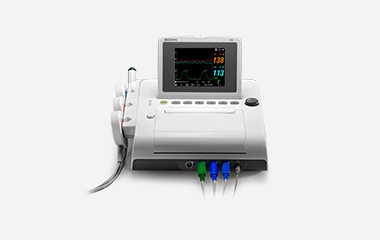
Accurate monitoring during pregnancy is essential for protecting fetal well-being. Recent advances in healthcare technology have improved the way clinicians observe and interpret vital signs. In obstetrics, integrating intelligent systems with devices like the fetal monitor machine from EDAN helps deliver more precise insights. This article explores how AI algorithms are improving fetal heart rate monitoring and contributing to better clinical outcomes.
Smarter Data Interpretation with AI
Traditional monitoring relies on tracing fetal heart activity and uterine patterns over time. With AI-assisted systems built into modern monitors, including the EDAN fetal monitor machine, algorithms analyze real-time data to distinguish meaningful signals from background noise. This means that subtle changes in heart rate trends can be recognized more quickly and with greater consistency, supporting clinicians in identifying when attention is required.
Reducing False Alarms for Better Workflow
One challenge in fetal heart rate monitoring is differentiating true physiological alerts from artifacts caused by movement or technical interference. AI algorithms help filter out these false positives by learning from large datasets of genuine fetal heart patterns. By reducing unnecessary alerts, healthcare professionals can focus on cases that truly need intervention, improving care efficiency and reducing stress for both staff and expectant mothers.
Enhancing Trend Analysis Over Time
Beyond moment-to-moment readings, AI enhances longitudinal tracking of fetal health. The EDAN fetal monitor machine, equipped with advanced analytical tools, uses algorithmic modeling to compare current heart rate measurements against expected developmental benchmarks. This contextual perspective makes it easier to recognize deviations that may signify risk, providing early warnings without overwhelming clinicians with data overload.
Supporting Clinical Decisions with Clear Visuals
A key benefit of algorithm-integrated monitoring is the generation of intuitive visual summaries. Patterns in fetal heart rate become easier to interpret through color-coded charts and predictive overlays. This visual clarity empowers obstetric teams to communicate more effectively and make informed decisions with confidence.
Conclusion
Incorporating AI into fetal heart rate monitoring significantly enhances the reliability of assessments. The EDAN fetal monitor machine demonstrates how intelligent algorithms can refine data interpretation, reduce false alarms, and support meaningful analysis over time. As obstetric care continues to evolve, these innovations contribute to safer, more informed monitoring practices that benefit clinicians and families alike.
