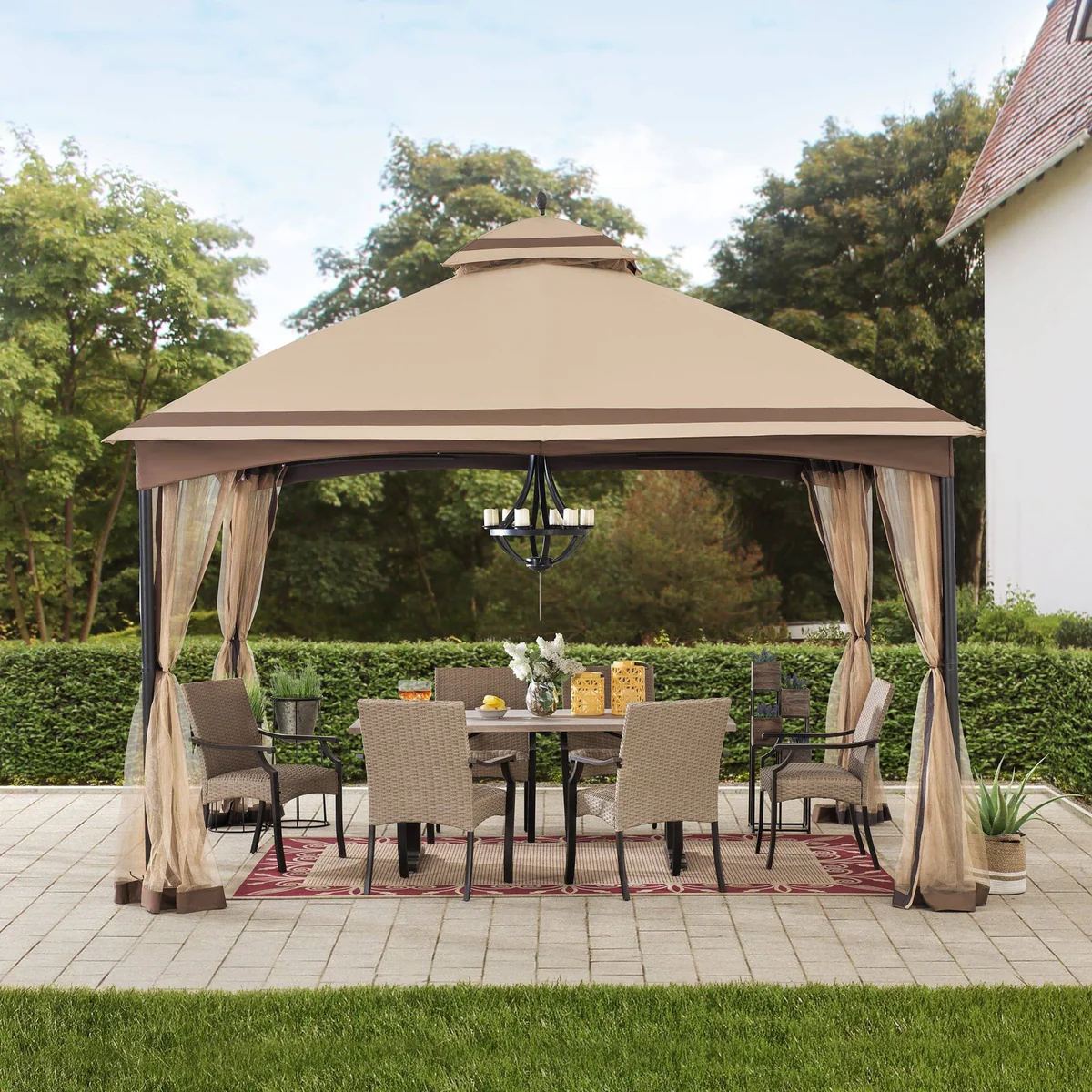
Adding a backyard gazebo can significantly enhance your outdoor living space, providing shade and comfort for relaxing or entertaining guests. However, before construction begins, understanding the local requirements for a backyard gazebo permit is essential to ensure everything is up to code. Different regions have varying regulations, so knowing what to expect can save time and prevent any legal or financial complications later on. Whether it’s a SUNJOY outdoor gazebo or another brand, the steps to obtaining a permit are largely the same. This article will guide you through the process of securing the proper permit for your new outdoor addition.
Understanding Local Regulations for Backyard Gazebos
Each locality has specific rules about the installation of structures like gazebos, often depending on the size and type of structure being built. For example, a SUNJOY outdoor gazebo measuring 12.8 ft. in length and 10.5 ft. in width may fall under different zoning laws compared to smaller, less elaborate models. It’s crucial to check with the local zoning office to determine if your backyard gazebo requires a permit and whether it meets the local zoning and safety standards.
In many cases, local regulations specify whether or not a backyard gazebo needs to adhere to setback requirements, which define how far the structure must be from property lines, sidewalks, or other buildings. A SUNJOY outdoor gazebo, with its substantial 10 ft. x 13 ft. roof size, might require special approval in areas with strict guidelines for how close structures can be to boundaries or existing structures.
Types of Permits Needed for Gazebo Installation
The most common permits needed for outdoor gazebos include building permits, electrical permits (if lighting or electrical outlets are being added), and sometimes a variance permit if the proposed structure doesn’t meet the zoning codes. A SUNJOY backyard gazebo with a ventilation system or other unique features might require more specialized permits, especially if it includes an electrical component like lighting or ceiling fans.
To get a backyard gazebo permit, homeowners typically need to submit detailed plans, including site layouts and specifications of the outdoor gazebo, such as height and dimensions. It’s important to also ensure that the structure complies with building codes, especially in areas prone to severe weather. Some regions may even require a structural engineer’s report to confirm the stability of larger backyard gazebos.
The Importance of Professional Assembly and Permitting
Assembling a SUNJOY outdoor gazebo is a straightforward process with pre-drilled holes, clear instructions, and all necessary hardware included. However, it’s still important to ensure that the gazebo’s installation complies with the necessary codes. Some homeowners opt to hire professionals, especially if there’s any uncertainty about the requirements for permits. With SUNJOY partnering with Assembly Help, homeowners can easily have experts handle the assembly, ensuring everything is done correctly and that the structure is set up in compliance with local regulations.
Conclusion
When considering the installation of a backyard gazebo, understanding the requirements for a permit is an essential first step. Whether opting for a SUNJOY outdoor gazebo or another option, checking local zoning laws, determining the type of permit needed, and ensuring professional assembly are key to a smooth process. By taking the time to navigate these steps, homeowners can enjoy their new outdoor space without any unexpected hurdles, creating a comfortable and legally compliant environment for family and friends.
