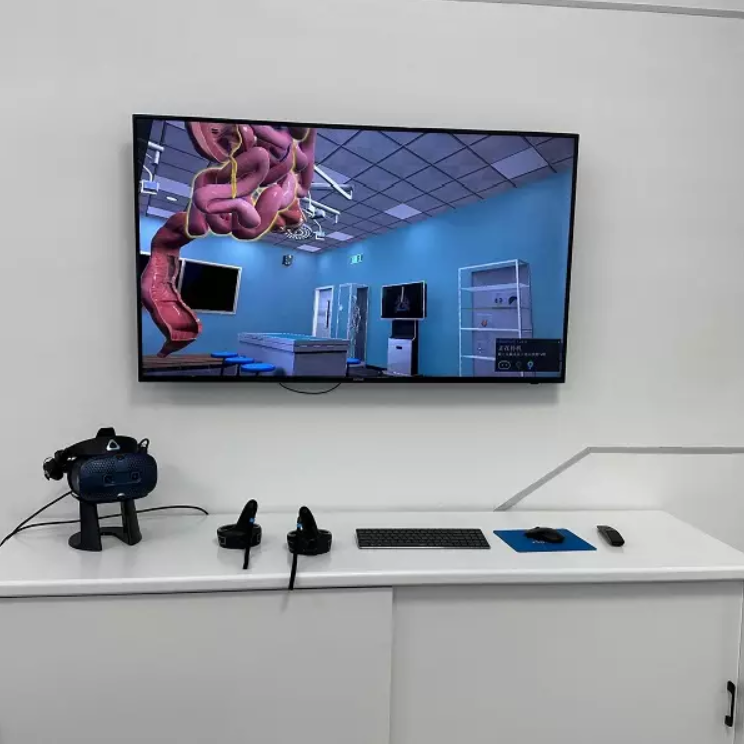
Educational settings continue to adopt digital visualization tools to address changing learning expectations. Many programs now consider human anatomy vr for institutions as a practical response to limited access to traditional resources. These virtual solutions give learners the opportunity to examine body structures in a controlled and repeatable environment. As schools and medical centers evaluate digital upgrades, they often look for products that combine accuracy, stability, and adaptable learning modes. This is where companies like DIGIHUMAN become relevant, as they focus on providing reliable virtual anatomy systems designed for structured teaching.
Supporting Classroom Interaction Through VR Tools
Interactive learning remains important in anatomy education, especially when students must understand relationships between organs and tissues. The use of human anatomy vr for institutions brings a level of consistency that models or printed materials cannot always provide. The Digihuman VR Anatomy Teaching System gives educators access to 3D reconstruction–based anatomical content that mirrors real structures with clarity. Part of the Category: Digihuman Anatomy System, this platform includes eight functional modules—from multimedia to image processing, voice features, puzzles, UI, and interaction tools—that help guide both instructor-led and self-directed study sessions. Its hardware package, which includes a VR headset, Vive glasses, and hand controllers, allows learners to interact naturally with virtual anatomical layers.
A Practical Option for Science and Medical Programs
Many science and medical institutions seek tools that reduce reliance on donor material and overcome scheduling constraints. With human anatomy vr for institutions, classes can review anatomical regions repeatedly without facing availability issues. The Digihuman 3D anatomy VR system supports multi-person sessions, enabling collaborative observation and discussion. This structure fits well into environments where instructors need to show complex spatial arrangements or present step-by-step visual explanations that enhance comprehension.
Conclusion: Evaluating the Role of VR in Institutional Training
As educational programs reconsider how to deliver consistent anatomy instruction, human anatomy vr for institutions continues to appear as a practical option. By offering dependable immersive systems, companies like DIGIHUMAN help institutions integrate digital visualization into their curricula. For schools and medical centers seeking tools that balance accuracy with classroom flexibility, VR represents an effective supplement to modern anatomy education.
