Telecom transport and data-center fabrics both depend on optical modulation, yet their operating priorities are not identical. Long-haul and metro systems value spectral efficiency, reach, and stable coherent performance. Data centers often emphasize compact modules, low power, high port density, and economical short-reach links.
They therefore avoid using one qualification profile for both environments. Architecture determines whether intensity, phase, or IQ control is required. Direct-detection modules may use multi-lane intensity paths, whereas coherent transmitters encode amplitude and phase and rely on digital processing at the receiver.
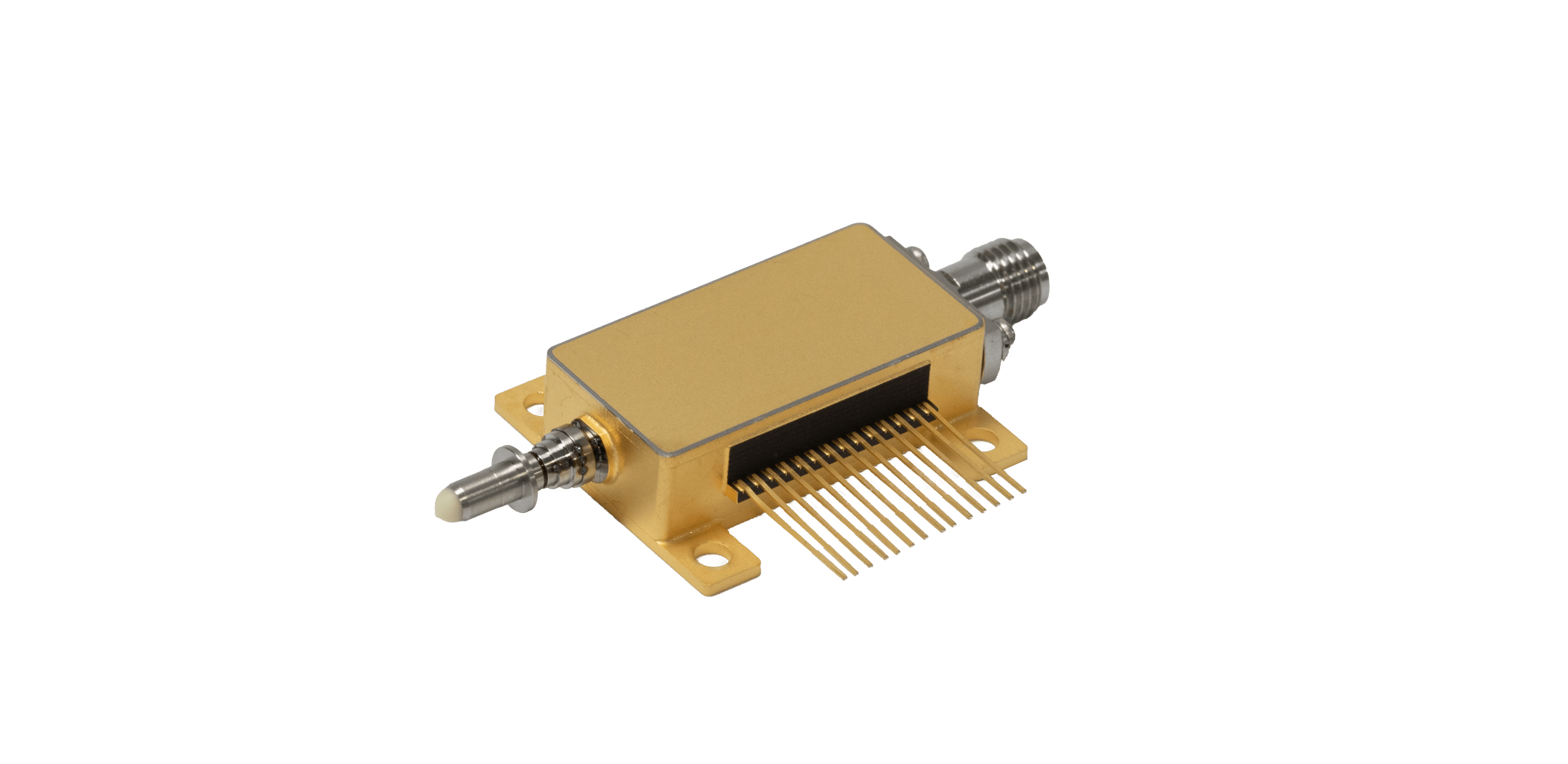
Laboratory and production equipment can use similar components for waveform generation or validation, but their service and calibration expectations differ. TFLN Devices cover two series of intensity modulators: 20/40 GHz and 67/110 GHz models, alongside a standalone 40 GHz IQ unit, a 40 GHz phase unit, and an optional variant equipped with an integrated low-noise light source.
These choices allow several subsystem boundaries. They compare them by system performance and lifecycle effort rather than assuming that the upper bandwidth is automatically useful for the target system.
Telecom and Data Center Links Allocate Performance Differently
Data-center links typically have short physical reach but severe constraints on energy, faceplate space, and cooling. Fiber optic modulators used here must work with dense driver electronics and compact fiber management.
Low drive voltage and controlled insertion loss can help, although channel count, assembly yield, and the ability to test many lanes quickly are equally important to module economics.
Telecom links may justify greater transmitter complexity to improve reach and spectrum use. TFLN devices such as an IQ product can support coherent formats, while phase devices can serve microwave-photonic or signal-processing functions.
They evaluate bias stability, optical loss, linearity, and environmental endurance over longer service intervals, because field access and replacement may be costly. Some applications benefit from an integrated source.
A 40 GHz intensity product is published with a low-relative-intensity-noise laser and 12 dBm on-state output. This may simplify assembly and optical alignment, but it also combines component lifecycles. They assess laser wavelength, noise, thermal control, replaceability, and supplier responsibility before accepting the integrated boundary.
Product Specifications Must Be Translated into Link Margin
For intensity products, listed bandwidth choices include 40 GHz and a 67/110 GHz configuration, with half-wave voltage below 3 V and insertion loss below 4.5 dB. These numbers guide driver and optical budgets.
When comparing fiber optic modulators, they still need response shape, measurement conditions, wavelength dependence, and package details to predict actual link behavior.
The 40 GHz IQ device has insertion loss below 6.5 dB and half-wave voltage below 3.5 V. In a coherent design, the additional loss must be balanced against laser power, amplifier noise, and receiver sensitivity.
TFLN devices used for complex modulation also require matched driver channels and bias control, so electrical and firmware effort belongs in the total cost analysis. High bandwidth can lose value if the package or board constrains the RF path.
They request connector launch models, impedance information, and measured electro-optic response for the delivered configuration. Temperature testing shows whether the response and bias remain within margin. The qualification waveform should resemble the intended data format rather than a convenient single-tone laboratory condition.
Supply, Packaging, and Test Define Commercial Fit
Packaging review covers pigtail type, connector polish, bend radius, polarization behavior, mounting, heat paths, and mechanical protection. Fiber optic modulators may be handled repeatedly in laboratories or installed permanently inside modules, resulting in different connector and enclosure choices.
They define the expected environment so that reliability evidence matches actual use. TFLN devices for sustained production need predictable lead times and consistent acceptance data. They examine fabrication capacity, package partners, calibration throughput, traceability, and change-notification procedures.
A technically strong component can still delay a program when specialized assembly steps have limited capacity or when incoming data are insufficient for rapid disposition.
Test strategy should separate development characterization from volume screening. Detailed frequency response and linearity measurements may establish process correlation, while production units receive faster loss, bias, and sampled-response checks.
They monitor trends by lot and preserve reference units. This approach protects quality without making every shipment depend on an impractically long test sequence. Field replacement assumptions should be verified before large deployments.
They test whether a spare unit can be installed without specialized retuning and whether stored calibration data remain valid. Where interchangeability is limited, the maintenance plan must include suitable tools, records, and trained personnel at the locations that will support the equipment.
Telecom and data-center buyers often evaluate the same physical principles through different business requirements. One may prioritize long service life and coherent margin; the other may prioritize watts, density, and rapid manufacturing scale. A successful modulator selection reflects those distinctions while maintaining common discipline in interfaces and measurement.
They recommend a link demonstrator for each target environment rather than one universal benchmark. The demonstrator can expose driver power, optical margin, thermal sensitivity, calibration needs, and replacement behavior. Data from several lots then establishes whether the design has enough tolerance for the planned deployment volume and operating conditions.
Telecom transport and data-center fabrics reward different balances of reach, density, power, and serviceability. Separate application trials can show where Liobate packages fit each environment without treating the two module classes as interchangeable.
