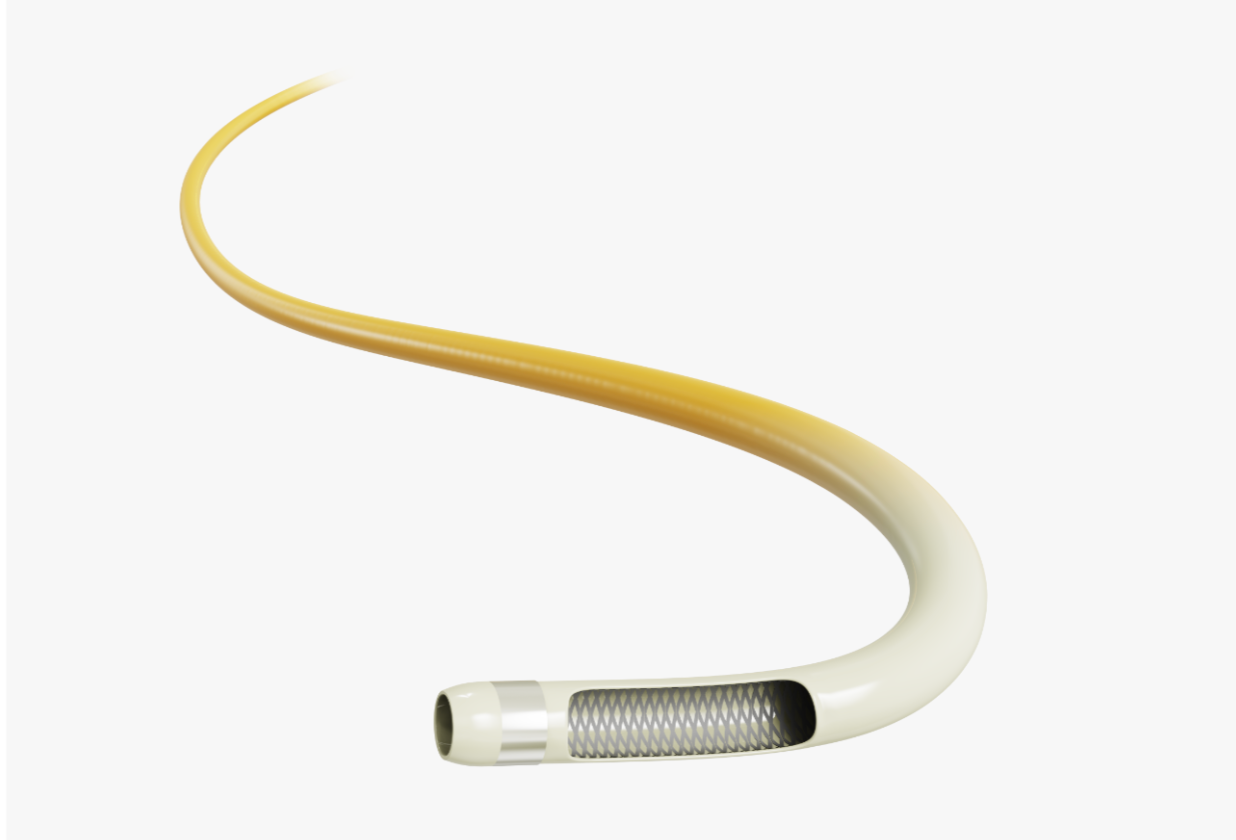
A well planned interventional device portfolio should address a range of procedural requirements while maintaining clear product positioning. In coronary intervention, a guidewire support catheter helps support guidewire advancement and navigation through challenging vascular pathways. Its role makes it an important consideration for medical device manufacturers, distributors, and procurement teams evaluating complementary catheter technologies.
Understanding how these devices fit alongside guidewires, guiding catheters, and coronary microcatheters helps organizations develop a product range that reflects clinical needs and market demand.
The Importance of Guidewire Support in Coronary Intervention
Coronary interventions can involve stenotic lesions, tortuous vessels, and narrow vascular pathways. In these situations, physicians may require additional support to facilitate guidewire manipulation or navigate challenging anatomy. Catheter design can influence trackability, pushability, flexibility, and the level of support available during a procedure.
When evaluating a guidewire support catheter, purchasing teams should consider its intended use, compatibility with other devices, dimensional specifications, and documented performance characteristics. These factors help determine whether a product is appropriate for particular procedural requirements.
For distributors, understanding these functions also supports more accurate product positioning. Clear technical information enables sales teams to explain the differences between catheter categories and helps customers identify devices suited to their clinical applications.
How Support Catheters Complement Other Interventional Devices
An interventional device portfolio typically includes products with distinct but complementary functions. Guidewires provide a pathway for device delivery, while guiding catheters establish access and support for coronary procedures. Coronary microcatheters offer additional capabilities for guidewire manipulation, exchange, and selected lesion crossing applications.
Although these categories can have overlapping functions, they should not be treated as interchangeable. Their roles depend on individual designs, intended uses, and compatibility requirements.
A well organized portfolio allows purchasing teams to compare products according to their technical specifications and procedural applications. For suppliers, this approach also helps reduce confusion between product categories and creates a clearer framework for introducing complementary devices.
Key Factors When Evaluating a Guidewire Support Catheter
Selecting a guidewire support catheter involves more than reviewing its product name. Several technical and commercial considerations can influence purchasing decisions.
Design and Performance
Catheter flexibility, trackability, pushability, and support characteristics are important evaluation points. Buyers should review the manufacturer’s documented specifications and intended use rather than assume that similar product descriptions indicate equivalent performance.
Compatibility and Specifications
Effective length, outer diameter, guidewire compatibility, and other relevant dimensions should be assessed against the requirements of the intended procedure. Compatibility information is particularly important when integrating a new device into an existing product range.
Quality and Regulatory Documentation
Product labeling, applicable regulatory documentation, traceability, and quality management information are also essential. Distributors should verify the requirements of their target markets and ensure that the products they offer are supported by appropriate documentation.
Shunmei Coronary Microcatheters: Driver™ and Driver-Rev™
Within this broader category, Shunmei offers Driver™ and Driver-Rev™ coronary microcatheters, designed for different requirements in coronary intervention. According to Shunmei’s official product information, Driver™ supports guidewire crossing, guidewire exchange, and contrast media injection, while Driver-Rev™ is designed for retrograde coronary crossing support. These distinct applications give portfolio planners options to consider when evaluating specialized coronary microcatheters.
Driver™ Coronary Microcatheter
The Driver™ Coronary Microcatheter is designed to support guidewire delivery and catheter navigation during coronary interventional procedures. Its three-layer structure incorporates a PTFE inner layer to facilitate guidewire movement, while the flexible distal segment and hydrophilic coating are designed to support navigation through coronary anatomy. A platinum-iridium radiopaque marker helps clinicians identify the catheter’s distal position under fluoroscopic imaging during placement. These features are relevant when evaluating catheter trackability, positional visibility, and compatibility with the procedural approach. The device is available in effective lengths of 130 cm and 150 cm, with listed distal and proximal outer diameters of 1.8F and 2.6F, respectively, allowing buyers to compare its dimensional specifications with procedural requirements and compatible devices.
Driver-Rev™ Coronary Microcatheter
The Driver-Rev™ Coronary Microcatheter is designed for retrograde crossing applications in coronary interventions, where device navigation through collateral channels may be required as part of the selected procedural strategy. Its multi-segment softness gradient is intended to balance distal flexibility with support along the catheter shaft, while the hydrophilic coating supports movement through tortuous anatomy. The 1.5F distal outer diameter is a relevant consideration when assessing access through narrow channels, and the tungsten wire structure forms part of the catheter’s design. Compatible with 0.014-inch guidewires, the device is available in effective lengths of 130 cm, 150 cm, and 170 cm to accommodate different procedural configurations.
Selecting Between the Two Models
For distributors and medical procurement teams, the distinction between these models extends beyond their dimensions. Driver™ offers design features relevant to guidewire movement, catheter delivery, and fluoroscopic positioning, while Driver-Rev™ is specifically designed for retrograde crossing applications. Buyers should consider the intended procedure, anatomical challenges, guidewire compatibility, catheter dimensions, and required working length when assessing product suitability. The manufacturer’s official documentation should be consulted to verify the indications for use, performance claims, and compatibility requirements for each model.
Aligning Product Selection With Portfolio Objectives
Choosing interventional devices requires a balance between clinical requirements, technical compatibility, market demand, and regulatory considerations. A guidewire support catheter may complement an existing portfolio, while specialized coronary microcatheters can address additional procedural needs.
Shunmei‘s Driver™ and Driver-Rev™ provide options for organizations evaluating coronary microcatheters for guidewire support and retrograde crossing applications. By reviewing their intended uses, specifications, and supporting documentation, distributors and procurement teams can make more informed decisions about product selection.
A clear understanding of each device’s role helps create a more coherent interventional product portfolio, supports accurate customer communication, and establishes a practical foundation for long-term supplier cooperation.
