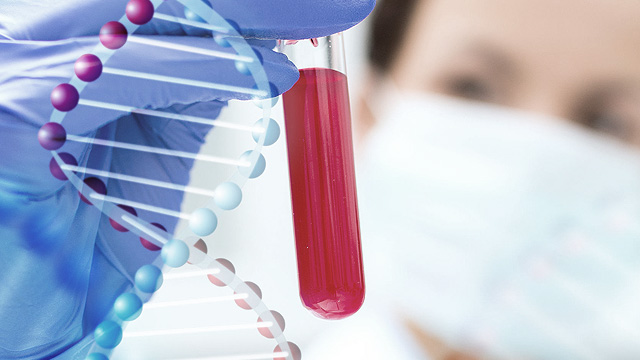
A genomic dna extraction kit is designed to isolate high-quality DNA from biological samples such as blood, tissues, bacteria, or plant material. The yield and purity of the extracted DNA are critical for downstream molecular biology applications, and they depend on multiple interconnected factors. These include reagent composition, purification technology, sample quality, and workflow conditions. In modern laboratories, both manual procedures and systems such as an automated nucleic acid extractor are used to standardize genomic DNA extraction and improve consistency across different sample types.
Impact of Lysis Efficiency and Purification Technology
A primary factor affecting the performance of a genomic dna extraction kit is the efficiency of the lysis and buffer system. Proper lysis facilitates the complete disruption of cells, allowing genomic DNA to be fully released into solution. Buffer composition must maintain appropriate pH and ionic strength to stabilize DNA and promote effective binding to purification matrices. Technologies such as silica membrane adsorption and magnetic bead-based separation enable selective binding of DNA under controlled conditions, followed by washing steps that remove proteins, inhibitors, and other contaminants. The binding capacity and specificity of these matrices directly influence both DNA yield and purity. When combined with an automated nucleic acid extractor, these technologies can further improve reproducibility by ensuring precise control of each step.
Role of Sample Quality and Workflow Design
The characteristics of the starting material also play a significant role in determining the outcome of a genomic dna extraction kit. Factors such as sample type, storage conditions, and handling practices can affect DNA integrity. For example, incomplete lysis or repeated freeze-thaw cycles may reduce yield or introduce degradation. Workflow design is equally important, including the number of processing steps, washing efficiency, and elution conditions. The use of an automated nucleic acid extractor can minimize manual variation, optimize timing, and improve consistency across multiple samples. Additionally, standardized protocols facilitate the effective removal of impurities while maintaining DNA stability.
Practical Perspective
Overall, the yield and purity achieved by a genomic dna extraction kit are determined by the interaction of lysis efficiency, purification technology, sample condition, and workflow design. TIANGEN Biotech (Beijing) Co., Ltd. develops genomic DNA extraction solutions that incorporate optimized buffer systems and advanced purification methods, compatible with both manual procedures and automated nucleic acid extractor platforms. TIANGEN provides reliable products designed to support consistent genomic DNA extraction with stable yield and purity across a wide range of laboratory applications.
