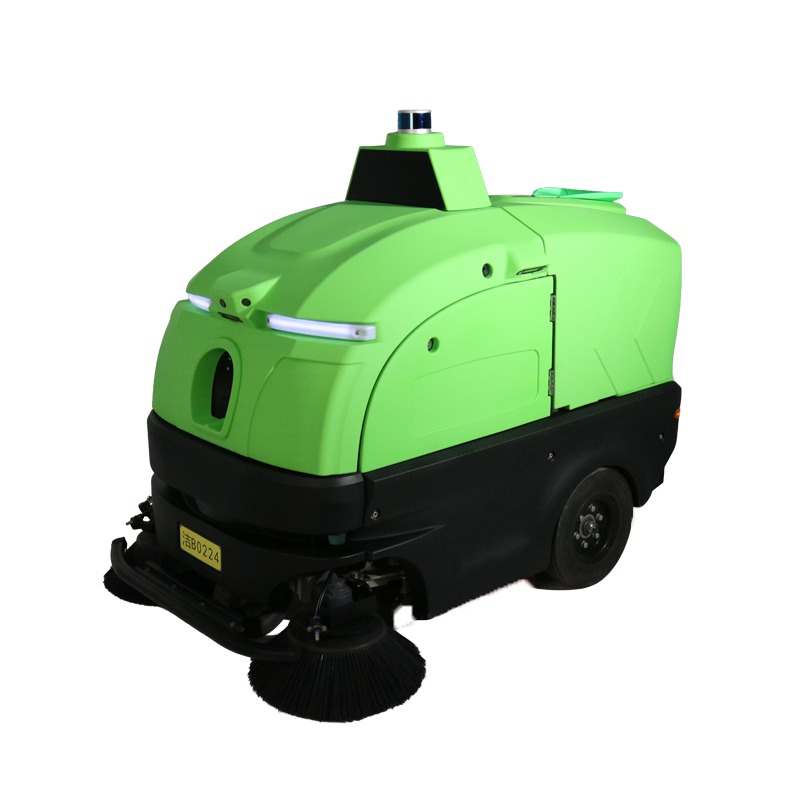
Commercial cleaning technology is shifting from equipment built around a single task toward systems designed for changing sites, planned routines, and measurable results. In 2026, manufacturers are competing on more than brush pressure or cleaning width. Navigation, service support, energy use, and ease of deployment also influence whether a machine fits daily operations.
For facilities comparing floor cleaning machines, the challenge is finding a useful balance between autonomy, output, and serviceability.
- More Practical Autonomous Operation
Autonomous cleaning is moving beyond fixed, predictable routes. Machines increasingly need to handle outdoor paths, mixed surfaces, changing foot traffic, and temporary obstacles.
The important measure is not whether a robot can move without an operator, but how consistently it completes useful work in the environment where it is deployed. Manufacturers need to communicate operating limits as clearly as the benefits.
- Better Environmental Awareness
Navigation depends on understanding nearby objects and surface conditions. Sensor combinations, mapping, and obstacle detection help robots respond to benches, vehicles, pedestrians, and route changes.
Software also needs clear recovery behavior when a path is blocked. In real facilities, safe stops and predictable intervention can be more valuable than a demonstration that works only in an empty space.
- Smarter Battery and Charging Management
Runtime remains central to productivity, but battery capacity alone does not explain daily output. Charging time, energy use, battery life, and the distance between cleaning zones all affect the schedule.
Automatic docking and clearer battery-status information can help teams plan work around available energy. Manufacturers are also expected to provide practical guidance on charging, servicing, and replacement.
- Multi-Function Cleaning Platforms
Sites often need to collect loose debris, manage dust, and address different outdoor conditions. Machines that combine sweeping with functions such as suction, airflow assistance, or misting can reduce the need to switch between tools.
The trade-off is complexity. A manufacturer should explain what each function does, which surfaces it suits, and how the functions affect maintenance and operating time.
- More Attention to Dust and Resource Use
Visible debris is only part of surface cleaning. Fine dust, water consumption, and the effect of cleaning on nearby people are also relevant. Dust-suppression features and effective collection systems can support a more controlled process, while route planning reduces unnecessary passes. Claims about particle capture or water savings should be backed by test methods and operating conditions, not feature names alone.
- Data-Informed Route Planning
Cleaning plans are becoming more measurable. Route completion, working time, intervention frequency, and recurring dirty spots give supervisors a clearer view of performance than general impressions.
Manufacturers can support this trend with accessible operating records and diagnostic information. The data is useful only when teams understand what it means and use it to adjust routes or service intervals.
- Easier Deployment Across Different Sites
Commercial properties vary widely. A school campus, transport hub, industrial park, and logistics yard have different traffic patterns, surfaces, and access restrictions. Manufacturers need to make setup practical, from mapping and route testing to staff training.
Equipment selection should reflect area size, obstacles, expected debris, and the level of autonomy required instead of treating every site as identical. Greendorph‘s lineup includes fully autonomous and semi-automated outdoor cleaning models, reflecting this move toward site-specific deployment.
- Serviceability and Longer Product Life
Downtime can erase the value of automation. Accessible components, clear maintenance schedules, reliable parts supply, and responsive technical support influence the useful life of a machine.
Durability also has an environmental dimension because equipment that remains serviceable longer can reduce premature replacement. A manufacturer’s support plan therefore deserves the same attention as the machine’s initial specifications.
- Human-Robot Collaboration
Automation changes cleaning work rather than removing every human task. Staff still inspect sites, handle exceptions, manage waste, maintain equipment, and decide where deep cleaning is required.
Clear controls and useful training help teams work alongside machines. Manufacturers that account for operator needs can make deployment smoother and help customers build routines that remain practical after installation.
- What a Floor Cleaning Machine Manufacturer Must Prove
Procurement decisions increasingly consider total ownership cost, service arrangements, productivity, and measurable results. Cleaning width or rated area per hour is only one part of the calculation.
A site trial can reveal how obstacles, charging, debris handling, and manual detailing affect actual output. Clear specifications, documented limits, and after-sales support help turn product claims into a realistic operating plan.
Greendorph focuses on autonomous cleaning equipment for large outdoor environments. Its published range includes the fully autonomous YJ130 and semi-automated YJ80 models, with configurations for sweeping, vacuuming, and other outdoor cleaning tasks. This reflects the wider move toward matching cleaning functions and autonomy levels to site conditions.
When comparing floor cleaning machines, review the intended application, operating details, service support, and evidence behind performance claims. A capable floor cleaning machine manufacturer should make those details clear, helping facilities assess the technology against real routes and cleaning demands.
Explore Cleaning Industry Trends at Interclean Shanghai 2026
Automation, efficiency, and smart technologies are reshaping the future of floor cleaning equipment. Visit Shenzhen Yunjie Technology Co., Ltd., Greendorph’s manufacturer, at Booth N5E25 during Interclean Shanghai 2026, October 28–30, to connect with industry peers and explore emerging developments. Check the official event programme for more details.
