As companies scale, choosing the right HR management system becomes a critical decision. HR teams must balance accessibility, data security, cost, and scalability when managing employee records, payroll, leave, and claims. For HR specialists, HR managers, and directors, understanding the advantages and limitations of cloud-based versus on-premise systems is essential to supporting business growth without compromising efficiency or compliance.
BIPO HRMS System: Flexible Solutions for Every Organization
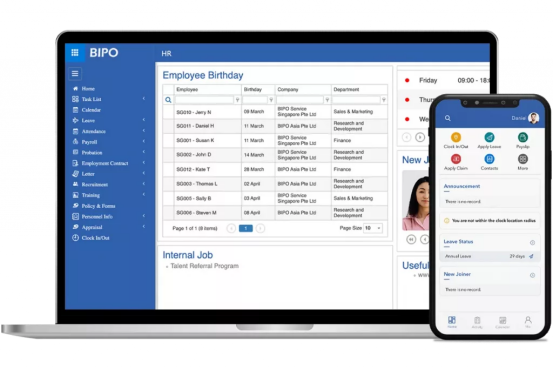
Selecting the appropriate HRMS platform often depends on an organization’s operational needs and long-term strategy. The BIPO HRMS system offers cloud-based solutions that combine comprehensive HR functionality with centralized data management, real-time reporting, and mobile access. By leveraging the flexibility of a cloud system, companies can streamline payroll, leave management, and employee records across locations while maintaining compliance with local regulations. HR leaders evaluating system options can use BIPO’s HRMS platform to compare features, reduce administrative overhead, and support workforce growth with confidence. Learn more about BIPO HRMS.
Key Differences Between Cloud-Based and On-Premise HRMS
Cloud-based HRMS platforms offer scalability, remote access, and automatic updates, making them ideal for growing organizations with distributed teams. On-premise solutions, by contrast, provide greater control over data and custom configurations but often require significant IT resources and upfront investment. Companies must consider workforce size, geographic distribution, and long-term expansion plans when deciding which deployment model best aligns with operational goals. Evaluating these factors ensures that HR processes remain efficient and responsive to business needs.
Strategic Benefits of Implementing the Right HRMS
Choosing the right HRMS system impacts not only daily HR operations but also strategic decision-making. Cloud-based platforms like the BIPO HRMS system provide automated workflows, accurate payroll processing, integrated reporting, and enhanced employee self-service. These capabilities reduce manual errors, improve compliance, and give HR teams actionable insights to optimize workforce planning. By selecting a system that aligns with organizational goals, businesses can support growth, enhance employee experience, and future-proof their HR operations.
