People with high uric acid levels are often advised to pay close attention to their diet, especially their protein sources. Fish is generally considered a healthy food because it provides high-quality protein, vitamins, and omega-3 fatty acids. However, not all fish are equally suitable for individuals concerned about uric acid. Since some varieties contain higher levels of purines, choosing the right type of fish can help support better uric acid management.
Lower-Purine Fish Options to Consider
Fish such as salmon, tilapia, flounder, and cod are often considered more suitable choices when compared with higher-purine varieties like sardines, anchovies, and mackerel. While moderate portions of lower-purine fish can fit into a balanced diet, individual responses may vary. Cooking methods also matter; baked, steamed, or grilled fish is generally preferred over heavily processed or fried options. Maintaining a varied diet and staying well hydrated can further support healthy uric acid levels.
Tracking the Impact of Dietary Changes
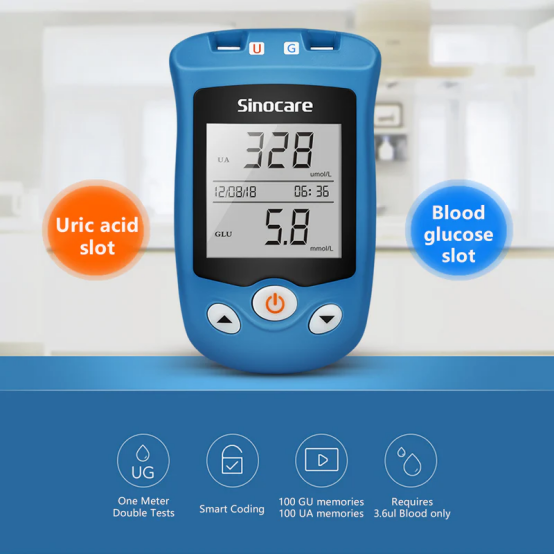
Dietary adjustments are often more effective when paired with regular monitoring. A blood glucose and uric acid monitor can help users observe how lifestyle habits influence their health indicators over time. The Sinocare Safe AQ UG is designed to measure both blood glucose and uric acid using separate test strips. For uric acid testing, the device requires a 3 μL blood sample and provides results in approximately 25 seconds, while glucose results are available in about 5 seconds from a 0.6 μL sample. Its memory function allows users to keep records of previous measurements, making it easier to track trends alongside dietary changes.
Building Long-Term Healthy Habits
No single fish or food can guarantee healthy uric acid levels. Instead, long-term management usually involves a combination of balanced nutrition, regular physical activity, adequate hydration, and ongoing monitoring. Using a uric acid test kit at home can provide useful feedback and help users understand whether dietary choices are supporting their goals. With tools such as those offered by Sinocare, individuals can make more informed decisions while working toward healthier uric acid management.
