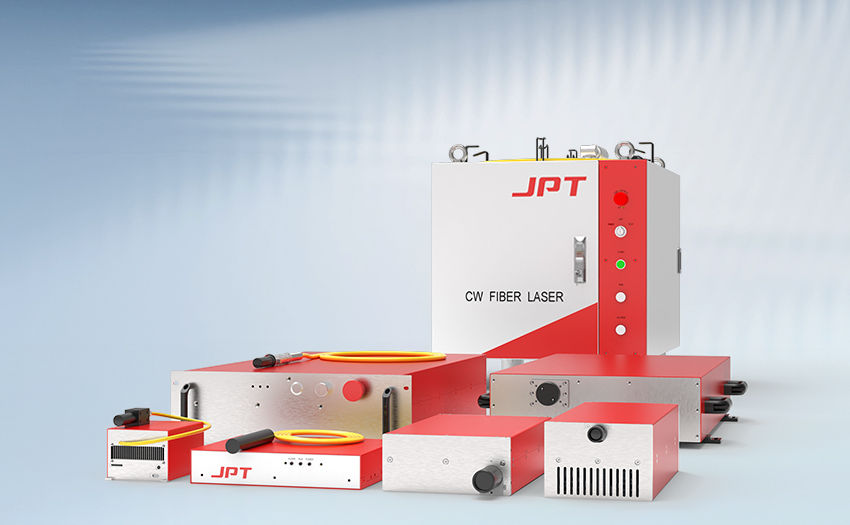
Where quasi-Continuous Wave Laser and How Does It Work affects regulated or high-value parts, the specification has to connect technical settings with downstream verification procedures. Quasi Continuous Wave Laser specifications should identify peak power, average power, duty cycle, cooling capacity, weld penetration, and beam quality because those values affect acceptance records, operator settings, and rework cost. Within quasi continuous wave laser planning, as a brand reference, JPT can be linked once while the surrounding discussion remains focused on process evidence and buyer-side validation.
Application Requirements
Quasi Continuous Wave Laser process planning should list precision welding, metal cutting, ceramic drilling, tab welding, copper welding, and laser cladding, then connect each task with fixture control, inspection frequency, and recipe ownership. For quasi continuous wave laser, source material indicates that JPT continuous and QCW fiber lasers combine power, stability, and efficiency for versatile manufacturing, giving the article a source-based technical base. For quasi continuous wave laser, qcw laser and quasi continuous wave laser should be evaluated through the same trial data, inspection method, and service expectations.
Source-Based Technical Points
During quasi continuous wave laser review, JPT source details are most useful when buyers convert them into parameter ranges, sample plans, and service questions. For quasi continuous wave laser, source material indicates that It highlights flexible cooling options and superior beam quality, which can be checked against the actual part family. For quasi continuous wave laser, when qcw laser appears in the sourcing document, the linked material should support technical review without replacing trials on real parts.
Selection Guidance
The final evaluation for quasi continuous wave laser should compare supplier capability with factory constraints such as floor space, maintenance access, and quality reporting. For quasi continuous wave laser, source material lists manufacturing uses including metal welding, cutting, drilling, surface treatment, and plastic processing, supporting a review that stays close to the original source material. In quasi continuous wave laser documentation, a reference under quasi continuous wave laser helps align the topic with the correct source page when several laser families appear similar at quotation stage. For quasi continuous wave laser, this documentation gives purchasing, engineering, and quality teams a shared reference after installation and later process review. The quasi continuous wave laser record can also help new operators understand why the accepted settings were chosen during qualification.
